October 12, 2026
Mold is more than an unpleasant stain on a wall or a persistent musty smell. When it grows indoors, it can contribute particles to the air and affect people who are sensitive to exposure. Moisture allows the problem to develop, sometimes in areas that remain hidden behind finishes or beneath flooring.
Understanding the connection between dampness, airborne particles, and health helps explain why visible growth deserves attention. A mold removal company can assess affected areas and recommend an appropriate response, while healthcare providers address symptoms and individual medical concerns. Effective management involves both treating contamination and correcting the conditions that allowed it to grow.
Mold and Moisture
Mold is a fungus that reproduces through spores, which occur naturally indoors and outdoors. Spores can enter buildings through doors, windows, ventilation systems, or on clothing and belongings. Their presence alone does not mean a building has an infestation. Growth develops when spores settle on suitable materials with enough moisture to support them.
Leaks, condensation, flooding, and persistent humidity can create those conditions. Bathrooms, kitchens, basements, and areas around damaged plumbing are common places for moisture to accumulate. According to RubyHome, an estimated 45% of office buildings have existing leaks that can encourage mold growth. The figure highlights how water intrusion can affect workplaces as well as homes.
Problems may extend beyond the most obvious wet surface. Water can travel into wall cavities, insulation, and other concealed spaces, allowing damp materials to remain unnoticed. During an assessment, a mold removal company can investigate visible damage and possible hidden growth. Identifying where moisture enters or collects is essential to understanding why contamination developed.
Effects on Indoor Air
Growing mold can release spores and fragments that become airborne. These particles add to the mixture of pollutants already present inside a building, potentially increasing exposure for occupants. Disturbing contaminated materials can also release particles into surrounding areas. A room’s appearance therefore provides only part of the picture when assessing an indoor mold problem.
Ventilation influences indoor conditions, but airflow alone cannot resolve growth on damp materials. Similarly, an air purifier does not repair a leak or remove contamination within a wall. Air filtration may support a broader response when appropriately selected, but moisture correction and remediation remain central. Treating only the air leaves the underlying source unresolved.
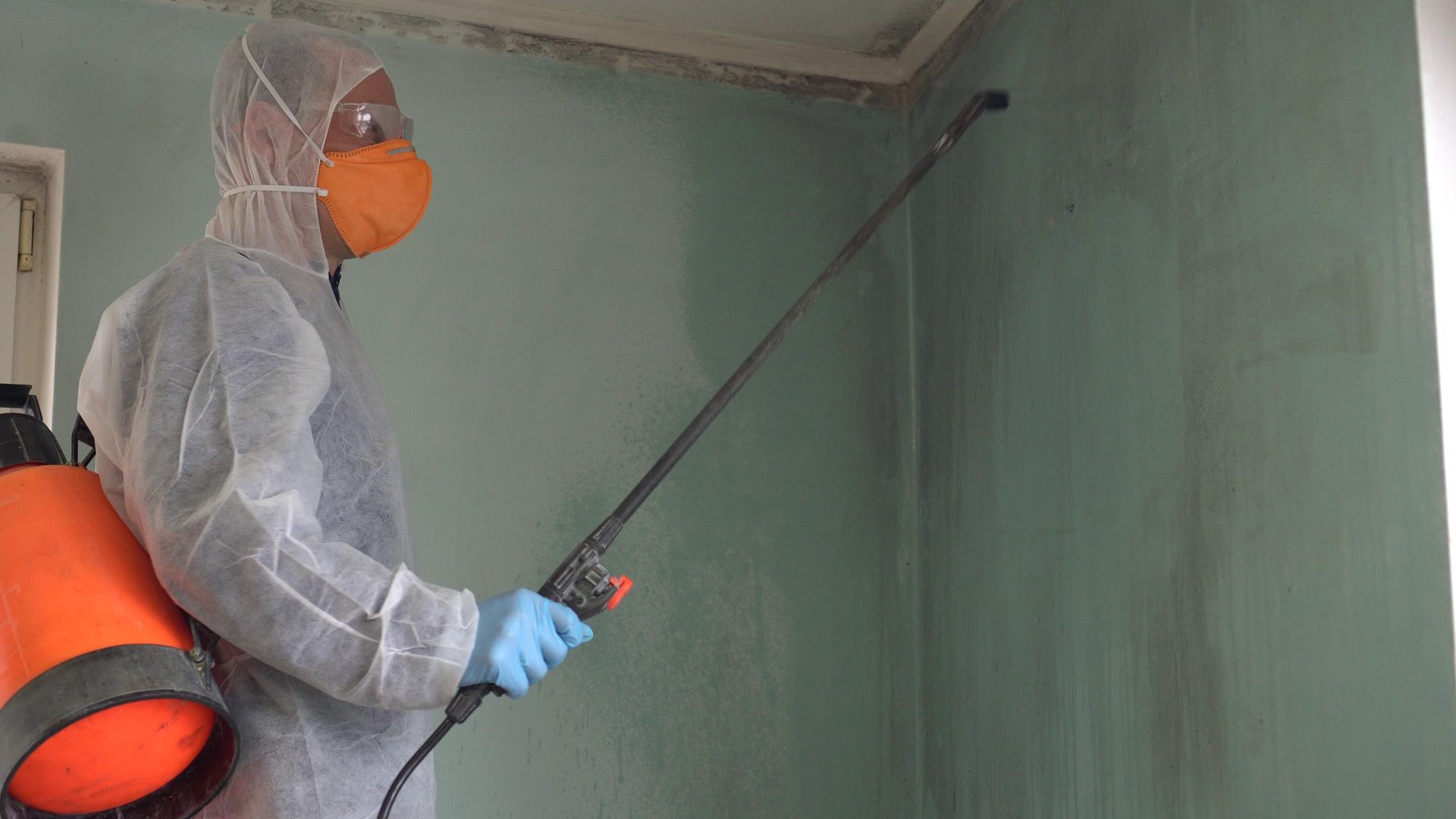
Planning by a mold removal company may include containment and filtration to limit particle spread during the work. The approach depends on the affected materials, location, and extent of growth. Occupants benefit from understanding how work areas will be separated from other spaces. Those precautions help manage exposure while contaminated materials are addressed.
Respiratory and Allergic Symptoms
Mold exposure affects people differently, and some experience no noticeable symptoms. Others develop nasal congestion, sneezing, coughing, itchy eyes, or skin irritation. These reactions may reflect an allergy or irritation rather than a single illness shared by everyone in the building. Symptoms alone cannot establish that mold is their cause.
People with asthma may experience worsening symptoms in damp or moldy environments. Coughing, wheezing, chest tightness, and shortness of breath warrant medical attention, particularly when they interfere with usual activities. A healthcare provider can evaluate possible triggers and determine appropriate treatment. Building remediation complements medical care but does not replace diagnosis or management of a respiratory condition.
The timing of symptoms can provide useful information during a medical appointment. Someone may notice discomfort in a particular room or improvement after spending time elsewhere. That pattern deserves discussion without assuming it proves mold exposure caused the problem. Other indoor pollutants, allergens, and medical conditions can produce overlapping symptoms that require careful evaluation.
Vulnerable Occupants
People with mold allergies, asthma, chronic lung disease, or weakened immune systems may face greater concerns around indoor growth. Certain immune-compromised individuals can develop fungal infections, although exposure does not mean an infection will occur. The level of concern depends on the person’s medical circumstances. Individual guidance is especially valuable when a building has substantial water damage.
Children with respiratory conditions and older adults with existing health problems may also need particular attention. Decisions about access to affected spaces should account for their needs and advice from healthcare professionals. Visible mold should receive attention even when occupants have not reported symptoms. Waiting for someone to become ill is not an appropriate basis for managing contamination.
Recognizing Growth and Evaluating the Problem
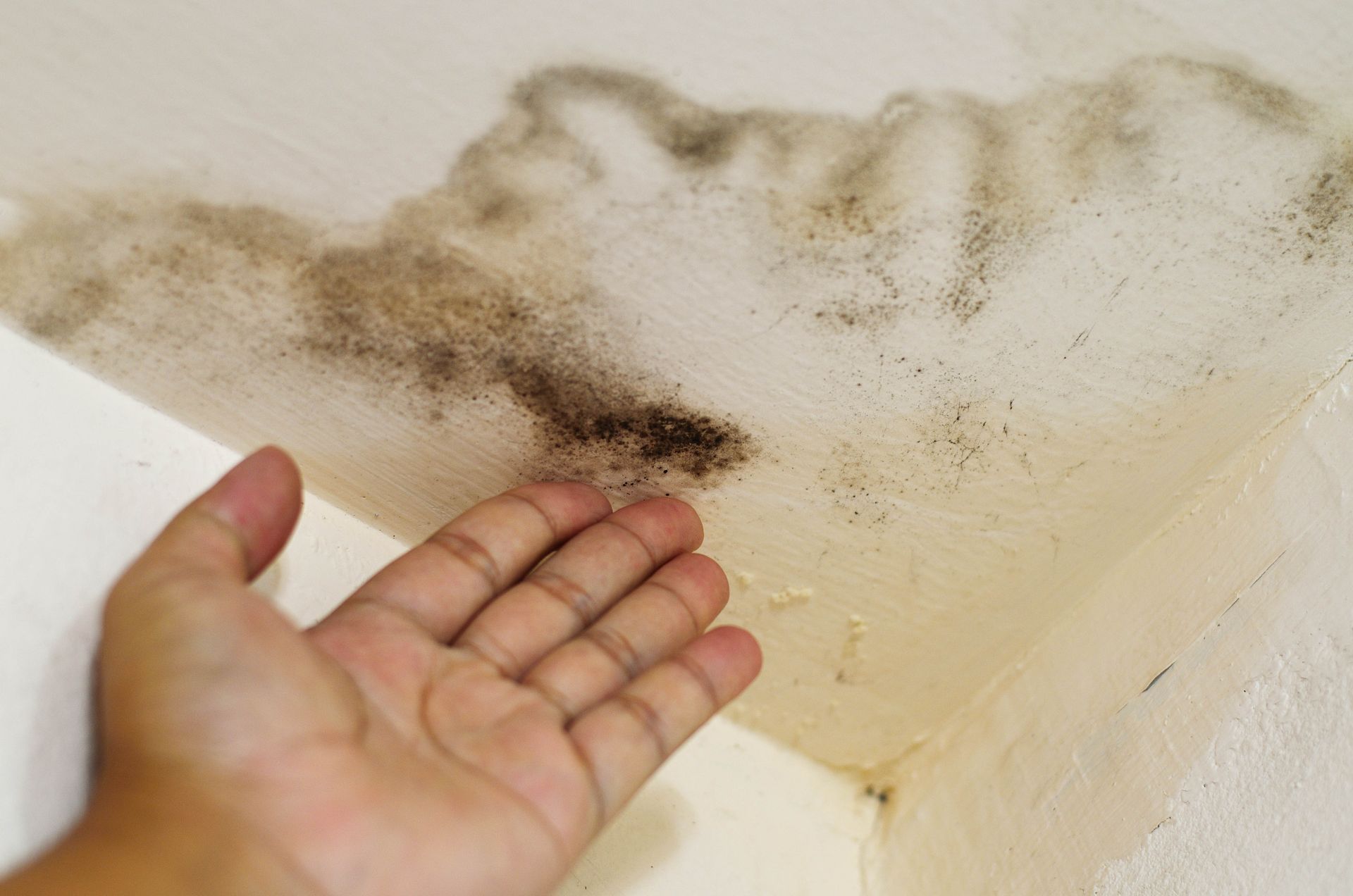
Visible patches, recurring musty odors, water stains, and damaged finishes can suggest a moisture problem that needs assessment. Mold may appear in different colors, so a dark patch alone does not identify its species or determine its health effects. Appearance cannot establish whether a particular growth is more dangerous than another. Persistent dampness matters regardless of color.
An assessment should connect the signs of contamination with the building’s moisture history. A mold removal company can discuss affected surfaces, previous leaks, and areas that may require further investigation. Testing is not automatically necessary whenever visible growth is present. Whether sampling adds useful information depends on the circumstances and the purpose of the assessment.
There is no federal airborne mold threshold that establishes a universally safe indoor spore count. A sample cannot independently determine whether every occupant will experience symptoms. Results need context, including observations of dampness and the condition of building materials. A careful evaluation focuses on resolving the problem rather than relying on a number alone.
Professional Remediation and Material Removal
Remediation involves addressing contamination with methods suited to the surfaces and extent of damage. Some materials can be cleaned, while contaminated porous materials may require removal. Containment, protective equipment, and controlled handling help limit exposure during that process. The work should also account for nearby occupied rooms and any affected ventilation components.
Choosing a mold removal company involves discussing the proposed scope, moisture findings, and precautions for occupants. Clear explanations help property owners understand which materials will be treated and which may need replacement. Chemical treatment alone does not resolve every situation, because dead mold can still provoke allergic reactions. Physical removal and moisture correction remain important parts of an appropriate response.
Preventing Recurrence Through Building Care
Lasting improvement depends on correcting leaks, condensation, and other sources of persistent dampness. Appropriate repairs may involve plumbing, roofing, drainage, or ventilation professionals, depending on the cause. A mold removal company can explain how unresolved moisture relates to the affected areas. Removing growth without addressing that moisture leaves conditions that can support another problem. Professional coordination is particularly helpful when several building systems contribute.
Professional maintenance of ventilation and humidity-control equipment can support healthier indoor conditions. Prompt professional attention after water damage also helps limit prolonged dampness in building materials. In workplaces, straightforward reporting procedures make it easier for occupants to flag leaks or recurring odors. Follow-up attention should focus on whether the original moisture source has actually been resolved.
Indoor mold connects a building’s moisture conditions with potential air quality and health concerns. The effects vary among occupants, but visible growth and persistent dampness deserve a professional response. Addressing contamination, repairing water intrusion, and maintaining building systems work together to reduce the likelihood of recurrence.
A mold removal company can help property owners understand the affected areas and appropriate remediation options. Healthcare providers offer separate guidance for symptoms and personal health risks. Coordinating those forms of support allows building problems and medical concerns to receive the attention each requires, supporting more comfortable living and working environments over time. If you're looking for top-tier services from an expert mold removal company, please reach out to Morneault Environmental!